Embracing the Healing Traditions of the Caucasus: A Journey Through Georgian, Armenian, Azerbaijani, and Turkish Folk Medicine
Most people overlook the rich healing knowledge hidden in the Caucasus. Yet, Georgian traditional medicine, Armenian herbal remedies, Azerbaijani natural health, and Turkish folk remedies have helped generations stay well. If you want natural health solutions that feel both trustworthy and time-tested, this is where to start. Let’s explore how these traditions can support your well-being today.
Georgian Traditional Medicine
As we uncover the richness of Caucasus healing, our journey begins in Georgia. This land is known for its unique approach to wellness, deeply rooted in nature.
Ancient Herbal Remedies
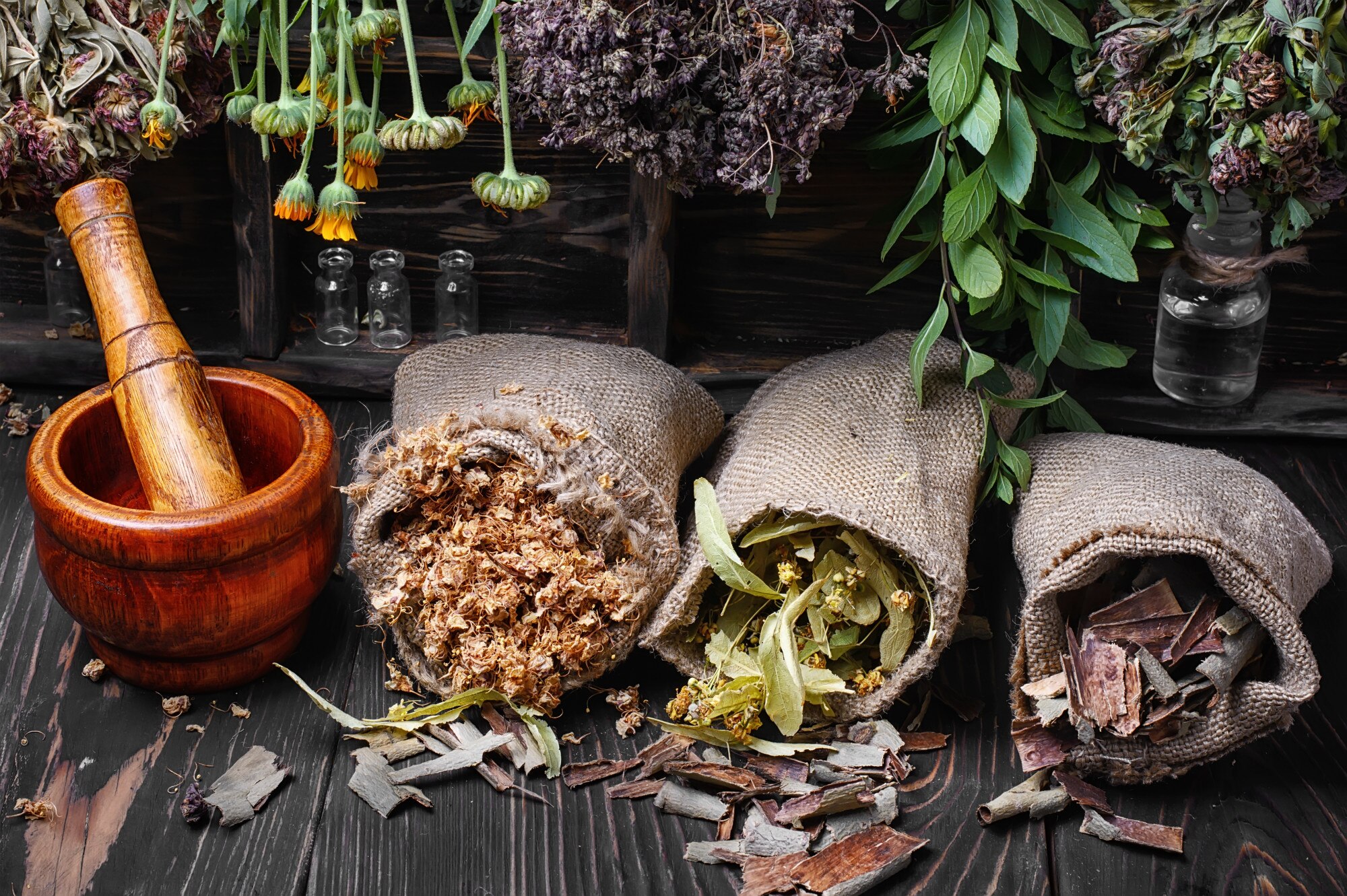
In Georgia, nature is a trusted partner in health. The use of plants like mullein and dandelion is common. Mullein, for instance, is often brewed into tea to soothe respiratory issues. In rural areas, you might find families passing down ancient recipes using these herbs. They believe in their power to cleanse and restore. Another popular plant is thyme, not just for cooking but as a natural antiseptic. It’s used in ointments and teas to combat colds and flu. Such remedies are not just about healing but about prevention too.
The beauty of these practices lies in their simplicity. You don’t need a lab, just a garden. This approach invites you to see nature as your ally in health, offering solutions that are as close as your backyard.
Healing Rituals and Practices
Georgian healing rituals often involve more than just herbs. Here, the power of community and tradition plays a vital role. For example, sulfur baths found in Tbilisi attract those seeking relief from joint pain and skin conditions. These baths are more than relaxation—they are a ritual that connects you with centuries of tradition.
Some families also practice smoke cleansing using dried herbs. This is believed to purify not just the body, but also the mind. It’s a reminder that healing is as much about emotional health as it is about physical well-being. Such practices encourage you to embrace a holistic view of health, considering every aspect of your life.
Armenian Herbal Remedies
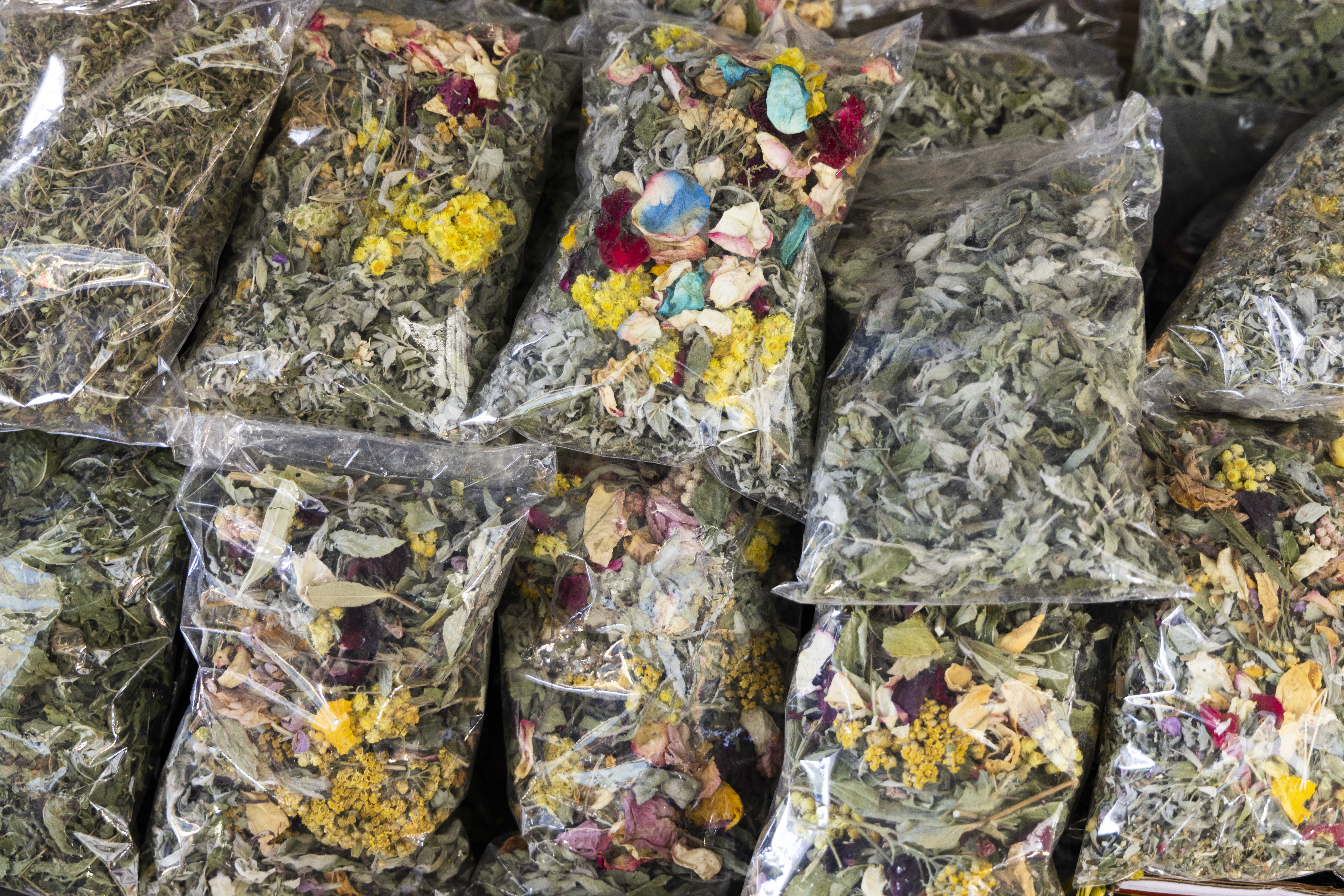
Moving on to Armenia, you’ll find that its landscapes are filled with sacred plants. These are not just for healing but are part of the cultural fabric.
Sacred Plants and Their Uses
Armenian remedies often revolve around plants like basil and nettle. Basil is cherished for its calming properties and is often used in teas to ease anxiety. Meanwhile, nettle is a powerhouse, providing iron and vitamins. It’s commonly used in soups and stews. This tradition is all about using what’s naturally available to boost health.
Armenia’s focus is on balance. They believe that the body’s harmony with nature brings wellness. This idea is both ancient and modern, appealing to those seeking natural health solutions today.
Folk Healing Techniques
Armenians also have rich folk techniques. These include massage therapies using oils infused with local herbs. Such treatments are believed to enhance circulation and relieve stress. Many families also rely on these practices for minor ailments, preferring them over pharmaceuticals.
Another intriguing practice is the use of clay packs, which are applied to draw out toxins from the body. This is not only about physical detoxing but also about rejuvenating the spirit. These practices teach you that sometimes the simplest methods can be the most effective.
Azerbaijani Natural Health
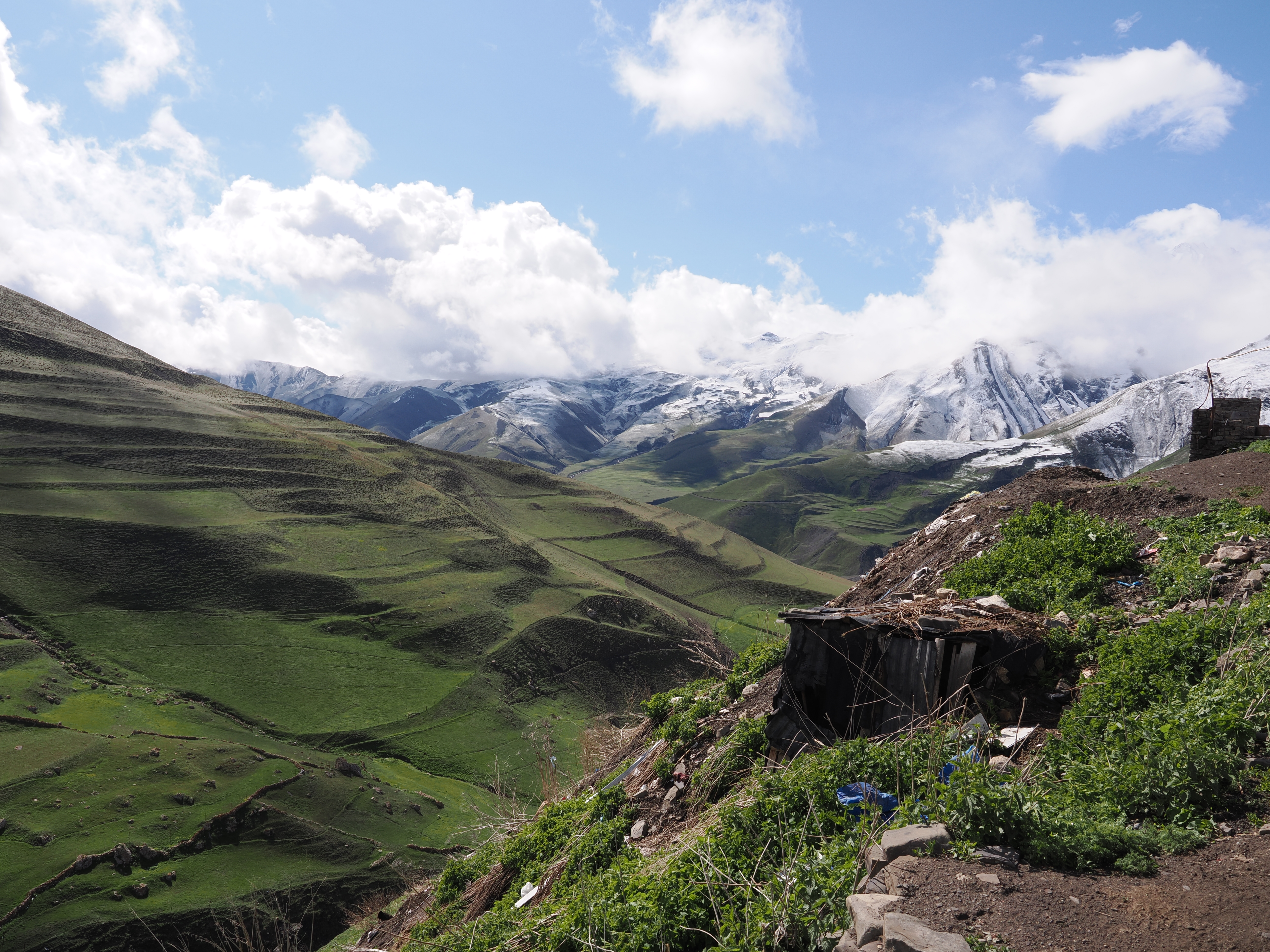
Next, we venture into Azerbaijan, where traditional health practices have been a part of community life for centuries.
Common Herbs and Applications
In Azerbaijan, you’ll often hear about the benefits of chamomile and mint. Chamomile is consumed as a tea to aid digestion and improve sleep. Mint, on the other hand, is a staple in both diet and medicine, valued for its cooling and soothing properties. These herbs are not just used individually but are often combined to create potent remedies.
Such practices emphasize using locally sourced ingredients. This ensures that remedies are fresh and effective. It’s a testament to the principle that health solutions can be both simple and accessible.
Community Healing Traditions 🌿
Azerbaijani healing extends beyond individual health to community practices. One such tradition is the communal sauna, where people gather not only to cleanse their bodies but also to share stories and support. This is more than a health practice; it’s a social event that strengthens community bonds.
In rural areas, you might also find group herbal workshops. These are occasions where knowledge is shared, and remedies are prepared together. Such gatherings highlight the importance of community in maintaining health, reminding us that we’re not alone on our wellness journeys.
By understanding these rich traditions, you’re not just learning about remedies; you’re connecting with timeless wisdom that can enrich your life today. Embrace these practices, and discover how nature can be your partner in achieving wellness.